.png)

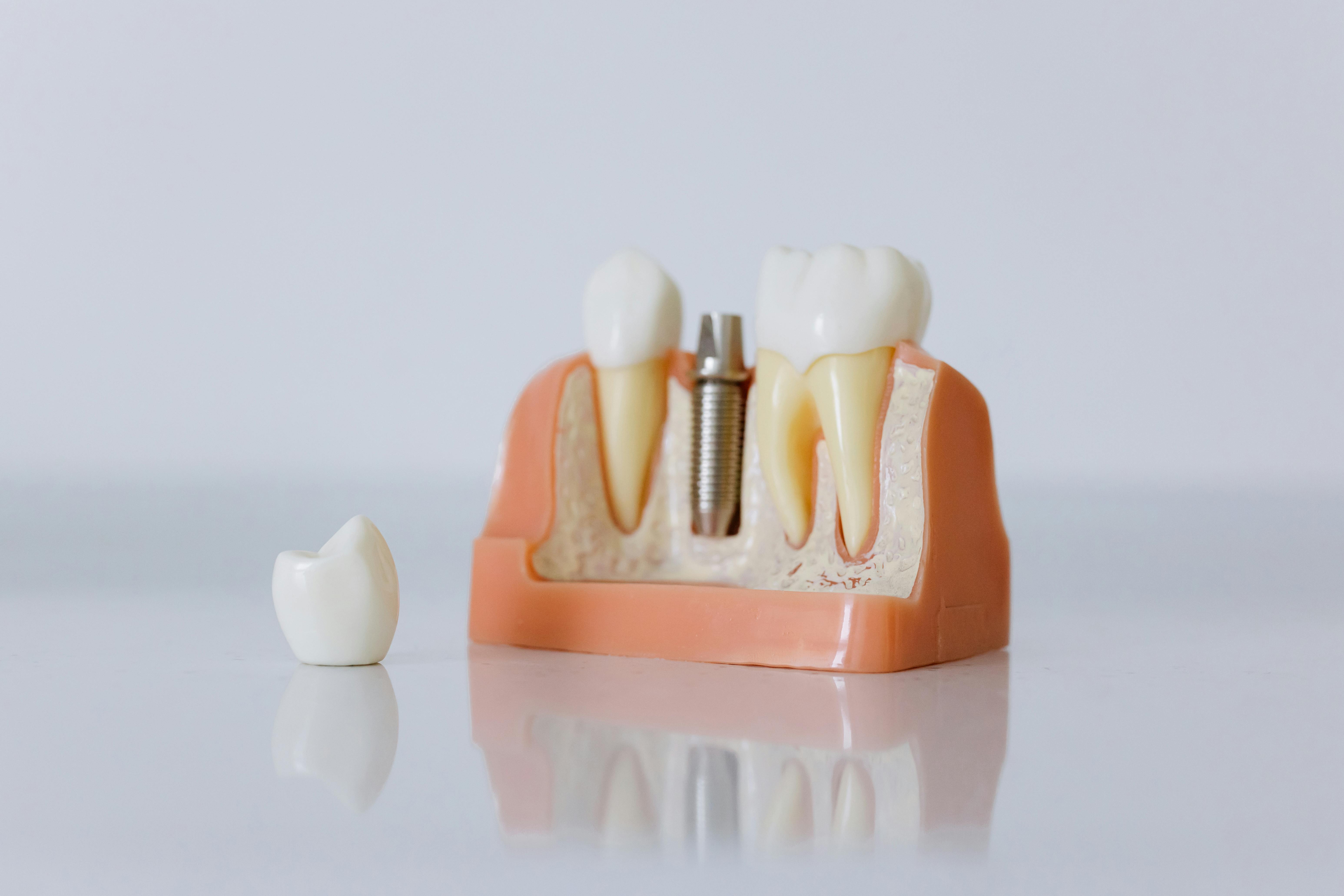
In Australia, the question can I use my super for dental implants keeps surfacing as treatment costs climb and complex procedures remain out of reach for many households. Dental implants can cost thousands of dollars per tooth, and for patients who need several implants, the total bill can become a major financial event.
That pressure has pushed more people to examine whether superannuation can be used before retirement for urgent dental care. The short answer is that early access may be possible, but only in narrow cases and only when the treatment meets strict legal and medical tests. For readers comparing options, this is where a lender and comparison service such as Loan Owl may also enter the discussion, particularly when super access is uncertain or unsuitable.
The legal pathway most often discussed is compassionate release of super. This is not a broad right to draw on retirement savings for private health costs. It is a tightly controlled process under the Superannuation Industry Supervision Regulations 1994, with the Australian Taxation Office assessing whether the case meets the required threshold.
For dental treatment, the central issue is medical necessity. The ATO does not assess an implant application on the basis that treatment would be helpful, convenient or visually preferable. It looks at whether the procedure is needed to address a serious condition, relieve acute or chronic pain, or restore proper function where the patient is dealing with major impairment.
The phrase can I use my super for dental implants therefore cannot be answered with a blanket yes or no. The result depends on the evidence, the diagnosis and the way the treatment need is documented.
Many implant procedures sit in a grey area until the clinical evidence is examined closely. A missing tooth may be distressing, but distress alone is not enough. The ATO wants to see a condition with measurable health consequences. Implants are more likely to be considered where the patient faces:
A patient who simply prefers implants over a functioning alternative is less likely to succeed. In contrast, a patient with repeated infections, severe breakdown of oral structure or serious functional loss may present a much stronger application.
This is why clinicians play such a central role. A recommendation for implants is not the same as proof that implants are essential. The supporting reports must explain why the procedure is clinically necessary and what may happen if treatment does not proceed.
Public treatment access also shapes the reality for many applicants. State dental systems often focus on emergency care and basic interventions. Complex restorative procedures can be difficult to obtain through the public system, and waiting times may be long. That does not guarantee approval for early release, but it can help explain why private treatment is being pursued.
Documentation is often the deciding factor. In many cases, applications fail not because implants can never qualify, but because the material does not clearly connect the treatment to the legal criteria.
Applicants usually need reports from both the treating dentist and a registered medical practitioner. These reports should do more than outline the procedure. They should identify the condition, the symptoms and the reason implants are the recommended response. A persuasive application usually contains:
The language used in the reports matters. A treatment plan that focuses only on replacement of missing teeth may not carry enough weight. A report that links the procedure to infection risk, nutritional difficulty, severe discomfort or a breakdown in oral function is more likely to align with the compassionate release rules.
Quotes and invoices also need to be precise. The ATO uses them to decide the amount that may be released if approval is granted. Vague costings or documents that do not match the clinical reports can slow the assessment or lead to refusal.
A number of recurring problems appear in unsuccessful applications. These are often preventable, yet they remain common because applicants assume the recommendation for treatment will speak for itself.The most frequent gaps include:
This is where caution is important. Someone asking can I use my super for dental implants may focus on the treatment cost first, but the ATO is focused on evidence first. Cost pressure alone is not a qualifying ground.
The application process usually begins through myGov after the applicant links their ATO account. From there, the compassionate release section allows medical applications to be lodged online. In practical terms, the process often unfolds in the following order:
Before lodging, it is also sensible to speak with the super fund. Most funds can process a release after ATO approval, but payment steps and turnaround times differ. Members should also ask whether a withdrawal could affect insurance cover held inside the fund. In some cases, reducing the balance may have consequences for life or income protection cover.
Assessment time varies. Complete applications with clear medical support are usually processed more smoothly than those with vague or inconsistent documents. Even after an ATO approval, the fund still needs to release the money, and that adds another stage to the timeline.
An approved application does not mean the money arrives tax free. Amounts released under compassionate grounds are generally treated as a super lump sum. The tax outcome depends on the member’s age and the taxable and tax free components within the account.
This is where the decision becomes more complex than a simple health funding question. Early access may solve an immediate treatment problem, but it also reduces retirement savings and future investment growth. The long term cost can be much larger than the withdrawal itself.
Not every patient who asks can I use my super for dental implants will find that compassionate release is the best path. In many cases, other funding options may be more suitable, especially where the treatment does not clearly meet the medical necessity threshold.
Other common funding routes include clinic payment plans, personal loans and medical finance products. These options may involve interest or fees, but they preserve retirement savings. For some households, that trade off may be more manageable than reducing super decades before retirement.
This is also the point where Loan Owl may come into the conversation. When patients compare personal finance options against super withdrawal, services such as Loan Owl can sit within that broader market comparison process. The key issue is not speed alone. It is whether the total cost, repayment burden and long term effect are easier to absorb than drawing down retirement funds.
For many Australians, the appeal of using super is easy to understand. Dental implants are expensive, treatment can be urgent and private care often demands payment before procedures begin. Yet the law treats super as protected retirement money, not a general emergency account.
That is why the answer to can I use my super for dental implants remains conditional. Early release may be available, but only where the patient can prove the treatment is necessary, unpaid and supported by appropriate evidence. Even then, approval does not remove the need to weigh tax, insurance effects and the future loss to retirement savings.
In practice, this means the decision is both medical and financial. The clinical case must be strong, and the financial consequences must be understood before any withdrawal request is made. For readers exploring private funding alternatives, Loan Owl may be part of that wider comparison, but super access should still be approached with caution and only after the full trade off is clear.
Yes, but only where the treatment is medically necessary and supported by strong evidence. The ATO must be satisfied that the procedure addresses a serious condition or relieves acute or chronic pain.
Yes. Cosmetic or preference based treatment will usually fall short. The application must show that the implants are needed to address a health problem or a major functional issue.
Applicants usually need reports from the treating dentist and a registered medical practitioner. They also need itemised quotes and proof that the treatment cost remains unpaid.
Usually no. Compassionate release is generally limited to unpaid expenses. If the treatment has already been paid, the application will often be refused.
Timing varies. Many applicants receive an ATO decision within several weeks if the documents are complete. Payment from the super fund can then take additional time.
Usually yes. The released amount is generally taxed as a super lump sum unless the member has already reached preservation age.
No. Severe financial hardship is a separate pathway with different rules. It is usually tied to income support and financial circumstances rather than a specific medical bill.
Patients often compare payment plans, personal loans, private health insurance benefits and public dental services. That comparison can help determine whether early super access is truly necessary.
https://www.health.gov.au/topics/dental-health
https://ada.org.au/policy-statement-6-9-advertising-in-dentistry
https://sa.ada.org.au/cdbs-benefits-cap-to-increase-to-1-158-for-2026-2027
https://www.thenewdaily.com.au/finance/finance-news/2025/10/17/super-payout-medical-procedures
https://www.health.gov.au/health-topics/private-health-insurance
https://www.ahpra.gov.au/sitecore/content/Dental/News/2025-05-30-Joint-statement.aspx
%20(27).png)
%20(25).png)
%20(24).png)
Disclaimer
Loan Owl, a trading name for Simple Finance Group Pty Ltd (ABN 70 626 186 418) and holder of Australian Credit License 509422, operates as a lender and referral service. We do not endorse any specific credit contract. Upon receiving an offer or referral to a lending partner, they will evaluate your application, provide a suitable credit contract, and inform you of the outcome. Both we and our lending partners will disclose all fees, charges, and terms before any contract is entered into. We may receive a referral fee, the amount of which is not determinable. We advise seeking independent legal and financial counsel before engaging in any financial products. The rates and loan terms provided on this website are for indicative purposes only. Loan Owl, as a lender, may process applications within 60 minutes, and loan disbursement may occur immediately upon contract signing. However, the timing of fund disbursement depends on your banking institution's policies.
*Approved funds are transferred on the same day, subject to approval during business hours and completion of all required documentation including Pay to bank agreements. Transfer times may vary depending on your bank’s processing times. Not all banks support instant deposits, and some transactions may take longer to reflect in your account.