.png)

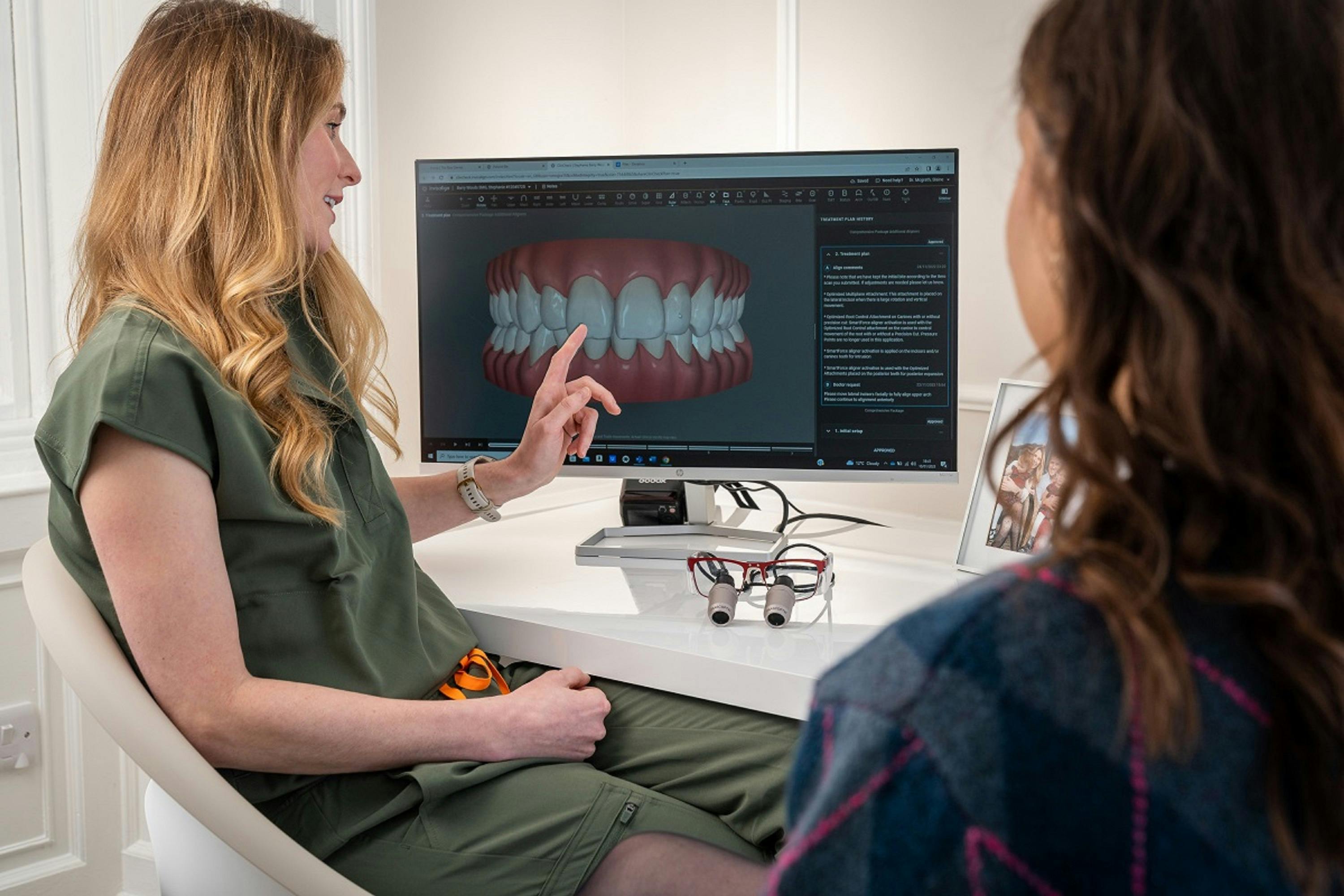
A rejected hicaps dental claim can catch patients off guard at the front desk, especially when they expected an on the spot rebate. In many cases, the issue is not a full denial of cover but a claim failure linked to policy rules, missing details, or a coding problem that can often be traced and corrected.
Across Australia, HICAPS terminals are widely used in dental practices to process extras claims in real time. The system is built to confirm eligibility within seconds, which is why a failed transaction can feel more serious than it is. Even so, a rejection does not always mean the treatment is not covered. It may mean the insurer could not approve the claim based on the information sent at that moment.
For readers trying to work out what happens next, the key point is this: a failed claim should be treated as a prompt to review the transaction, not as proof that the rebate is permanently lost. That distinction matters, and it shapes what both the patient and the clinic should do next. This guide from Loan Owl explains the main reasons a claim may fail and the steps that can help resolve the issue without adding more billing confusion.
When a clinic submits a HICAPS claim, the terminal sends treatment and membership data to the insurer for live assessment. The fund then checks the patient’s policy status, extras cover, item number eligibility, benefit limits, and service rules. If one part of that check fails, the system returns a response message.
This matters because the next step depends on the type of error. A patient ID issue can often be fixed on site. A waiting period issue usually requires confirmation from the insurer. A coding issue may call for the practice to review how the treatment was entered. Reading the terminal result properly can save time and prevent a second avoidable rejection.
One of the most common reasons a claim fails is simple data mismatch. A dental practice may have the wrong member number on file, select the wrong patient under a family policy, or enter a date that does not line up with the insurer’s records.
Many private health insurance policies cover several family members under one membership. Each person is assigned a separate patient reference number. If the clinic chooses the wrong patient ID, the insurer may reject the claim even though the card itself is valid.
This issue also appears after policy changes. A patient may have upgraded their extras, switched insurers, or received a replacement card with new details. If old information is still stored in the clinic system, the claim can fail at the terminal because the insurer cannot match the submission to the active record.
A claim can also be rejected when the treatment entry does not meet the coding requirements used by the insurer. This does not mean the treatment was improper. It means the claim data may not match the format needed for automated approval.
Tooth identifiers can also matter. Some treatments need the relevant tooth number recorded to support the claim. If that field is missing or entered incorrectly, the insurer may not be able to validate the service through HICAPS.
These coding issues are often technical rather than substantive. The good news is that they can frequently be corrected once the clinic reviews the claim entry. For patients, that means a rejection at the terminal should not be treated as a final ruling before the clinic has checked the record.
Many patients assume that holding private extras cover means every dental service will attract a rebate. That is not how most policies operate. Extras benefits are usually shaped by limits, exclusions, and timing rules that sit behind the membership card.
A patient may have active cover and still face a rejected hicaps dental transaction because the policy rules do not allow a rebate for that service on that day. This is one of the main reasons confusion arises at reception. The most common policy based causes include:
These restrictions vary between funds and policy tiers. Two patients can attend the same clinic for the same treatment and receive different results because their extras cover is structured differently.
Waiting periods are still one of the most frequent reasons dental claims do not process straight away. Health funds apply these rules to prevent new members from joining solely to claim immediate benefits for planned treatment.
The issue becomes more complex when a patient has recently upgraded cover or changed funds. A person may believe they are fully insured because the policy is active, but higher benefits attached to the new level of cover may still be subject to a fresh waiting period. In that situation, the terminal may reject the claim even though the membership itself is current.
Extras policies usually come with annual benefit caps. Once that limit has been used, later claims may be rejected or left with no rebate payable. Dental benefits are often grouped, which means several routine services can draw from the same yearly pool.
A patient may have already claimed for check ups, cleans, x rays, or fillings earlier in the year and not realise how much of the dental allowance has been used. By the time another visit occurs, there may be little or no benefit left.
Not every dental procedure sits within standard extras cover. Cosmetic treatments are a common example. If a service falls outside the insured categories, a HICAPS terminal may reject the claim because there is no rebate entitlement attached to that item.
Provider network rules can also affect the result. Some insurers offer higher rebates through preferred clinics and may apply tighter recognition settings for some procedures. In certain cases, a claim outside that network may still go through with a lower benefit. In other cases, it may fail automated validation and require further review.
A rejected claim is best handled quickly, while the appointment details are still fresh and the clinic can review the submission. In many cases, the path forward is straightforward. A sensible same day process looks like this:
Clean communication at the desk helps avoid that problem. Loan Owl recommends that patients keep the receipt and ask for a clear explanation of whether the rejection came from the terminal process or the insurer’s benefit rules.
There are times when an on the spot terminal claim is not the best path. If the insurer needs to assess the service in more detail, a manual claim may be more effective than repeated terminal attempts.
A manual claim allows the patient to send the receipt and treatment details directly to the fund through an online portal or app. That gives the insurer a chance to review the case outside the automated HICAPS pathway.
While manual claims are slower, they can help in cases where the treatment is valid but the terminal system could not approve it based on the information available at the time of service. For some patients, that extra review step is the clearest way to settle the matter.
Patients often do not know whether to contact the clinic, HICAPS, or the insurer first. The answer depends on the source of the rejection.
If the issue relates to claim entry, item coding, or a terminal submission problem, the dental clinic is usually the first point of review. If the issue relates to waiting periods, limits, exclusions, or provider recognition, the health fund is generally the decision maker.
If the patient has gone through the fund’s internal complaint process and still believes the claim was handled incorrectly, a formal external complaint may be appropriate. For Australian policy holders, the Commonwealth Ombudsman can review disputes involving private health insurance benefits and related complaint processes.
For consumers trying to make sense of a failed hicaps dental claim, the main takeaway is that the rejection usually has a traceable cause. It may be inconvenient, but it is often not mysterious. With the right checks, many claims can be corrected, clarified, or manually reviewed. That is the outcome Loan Owl encourages patients to pursue before assuming the rebate is out of reach.
Active cover does not guarantee a rebate for every service. Waiting periods, annual caps, excluded items, or frequency rules may still block the claim.
Yes. A new fund may honour equivalent cover, but higher benefits on the new policy can still carry a waiting period.
Not always. The issue may involve patient details, exhausted limits, provider rules, or policy restrictions rather than coding alone.
A terminal error relates to how the claim was submitted. A health fund rejection relates to whether the policy allows a benefit for that service.
Yes. If the problem is a data entry or coding issue, the clinic can often correct the claim and try again immediately.
Some insurers pay lower benefits outside recognised networks, while others may not approve the claim through the automated system.
Yes. Patients can usually lodge a manual claim directly with the insurer using the receipt and treatment details.
This step is usually appropriate after the health fund has completed its internal complaint review and the dispute remains unresolved.
https://ada.org.au/services/schedule-glossary
https://www.privatehealth.gov.au/health_insurance/howitworks/waiting_periods.htm
https://www.ombudsman.gov.au/complaints/private-health-insurance-complaints
https://www.blua.bupa.com.au/muscles-bones-joints/find-a-provider
https://www.privatehealth.gov.au/dynamic/Premium/PHIS/HCF/I30/NKUC2D
https://ada.org.au/regulatory-series-item-numbers-and-health-funds-ihr250916
%20(27).png)
%20(25).png)
%20(24).png)
Disclaimer
Loan Owl, a trading name for Simple Finance Group Pty Ltd (ABN 70 626 186 418) and holder of Australian Credit License 509422, operates as a lender and referral service. We do not endorse any specific credit contract. Upon receiving an offer or referral to a lending partner, they will evaluate your application, provide a suitable credit contract, and inform you of the outcome. Both we and our lending partners will disclose all fees, charges, and terms before any contract is entered into. We may receive a referral fee, the amount of which is not determinable. We advise seeking independent legal and financial counsel before engaging in any financial products. The rates and loan terms provided on this website are for indicative purposes only. Loan Owl, as a lender, may process applications within 60 minutes, and loan disbursement may occur immediately upon contract signing. However, the timing of fund disbursement depends on your banking institution's policies.
*Approved funds are transferred on the same day, subject to approval during business hours and completion of all required documentation including Pay to bank agreements. Transfer times may vary depending on your bank’s processing times. Not all banks support instant deposits, and some transactions may take longer to reflect in your account.